



Availability:
- Existing building
- NY, NJ, CT, FL, MA, PA, DC, CA
Related services:
Façade Inspections
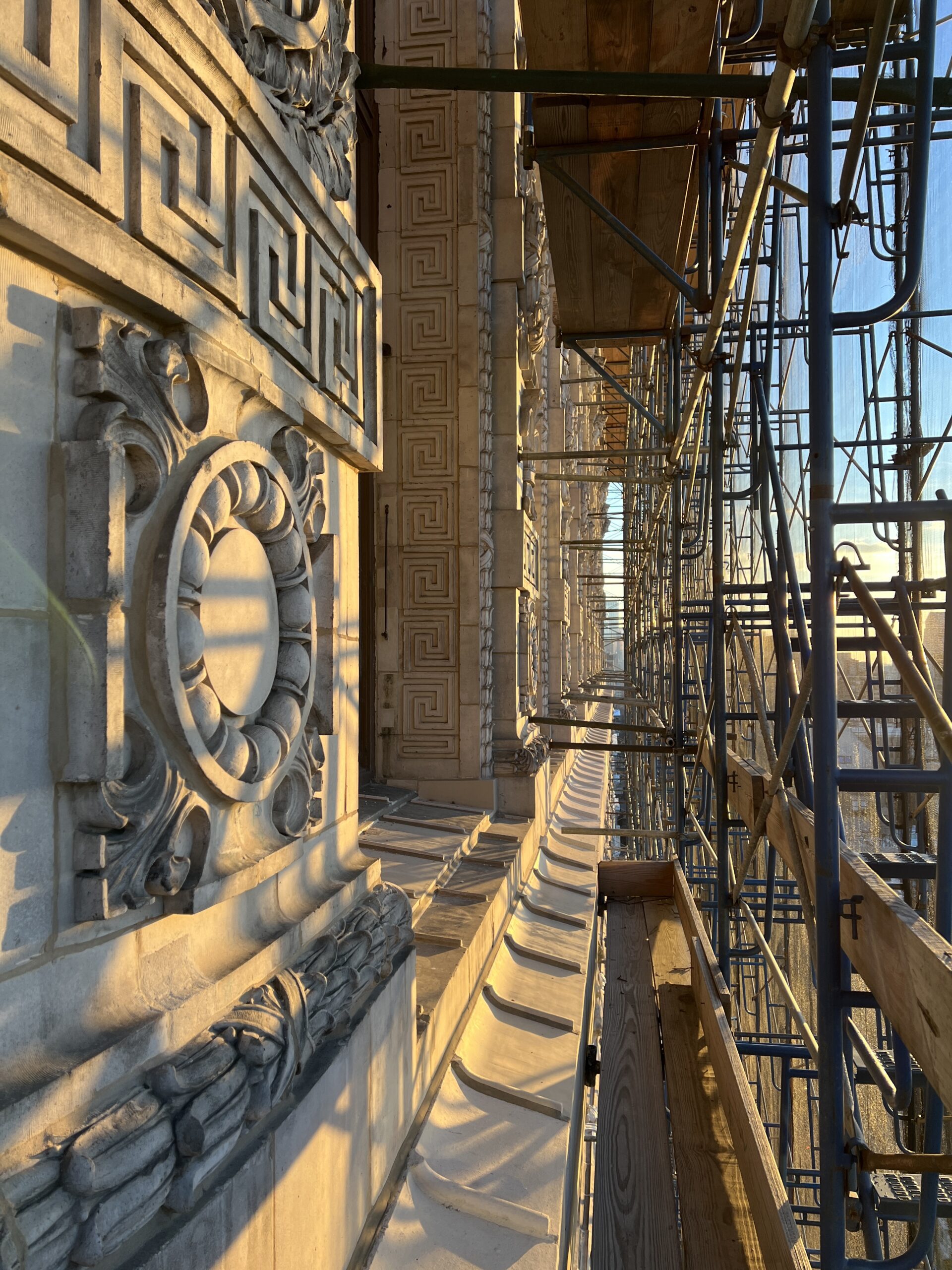
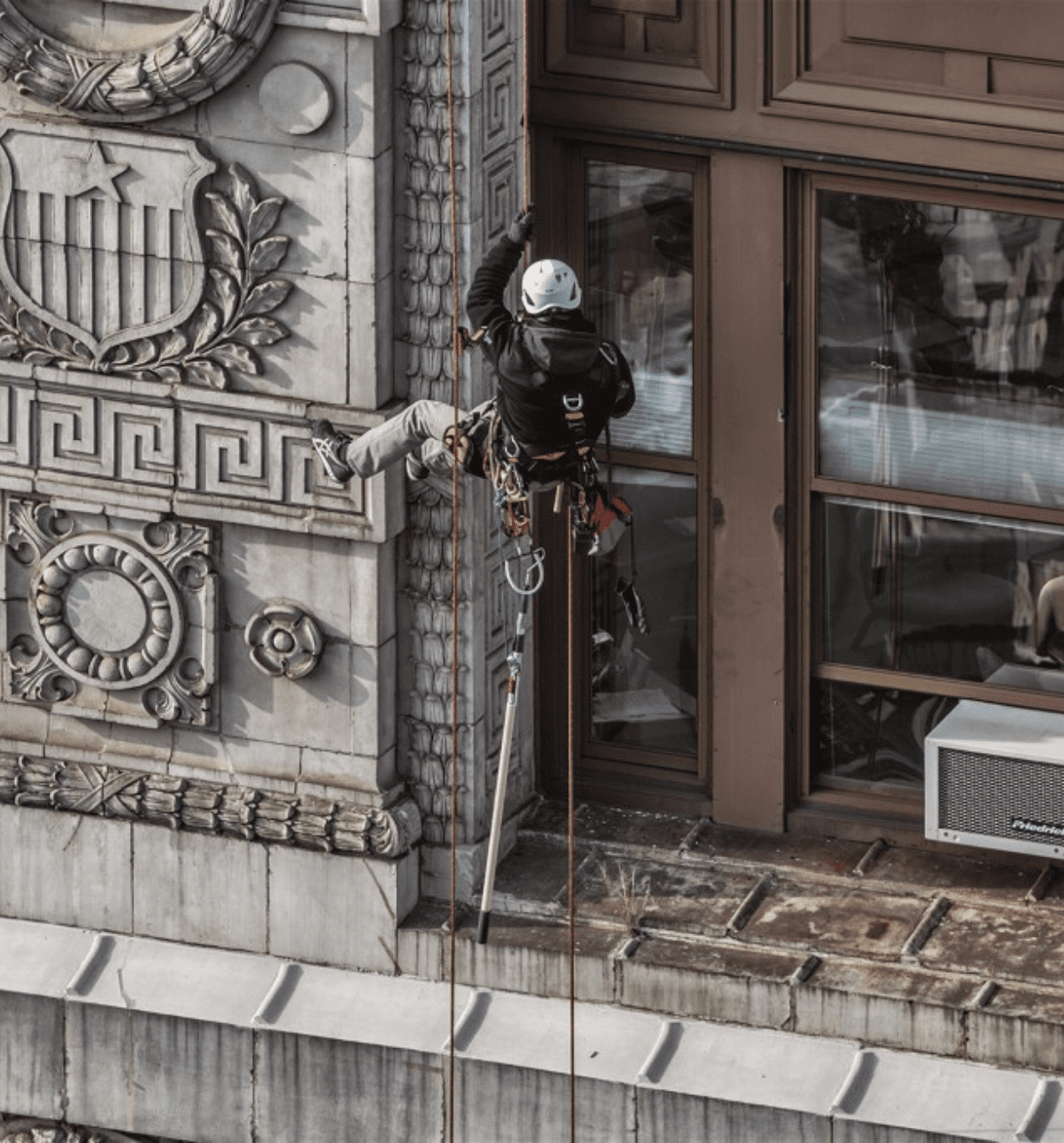
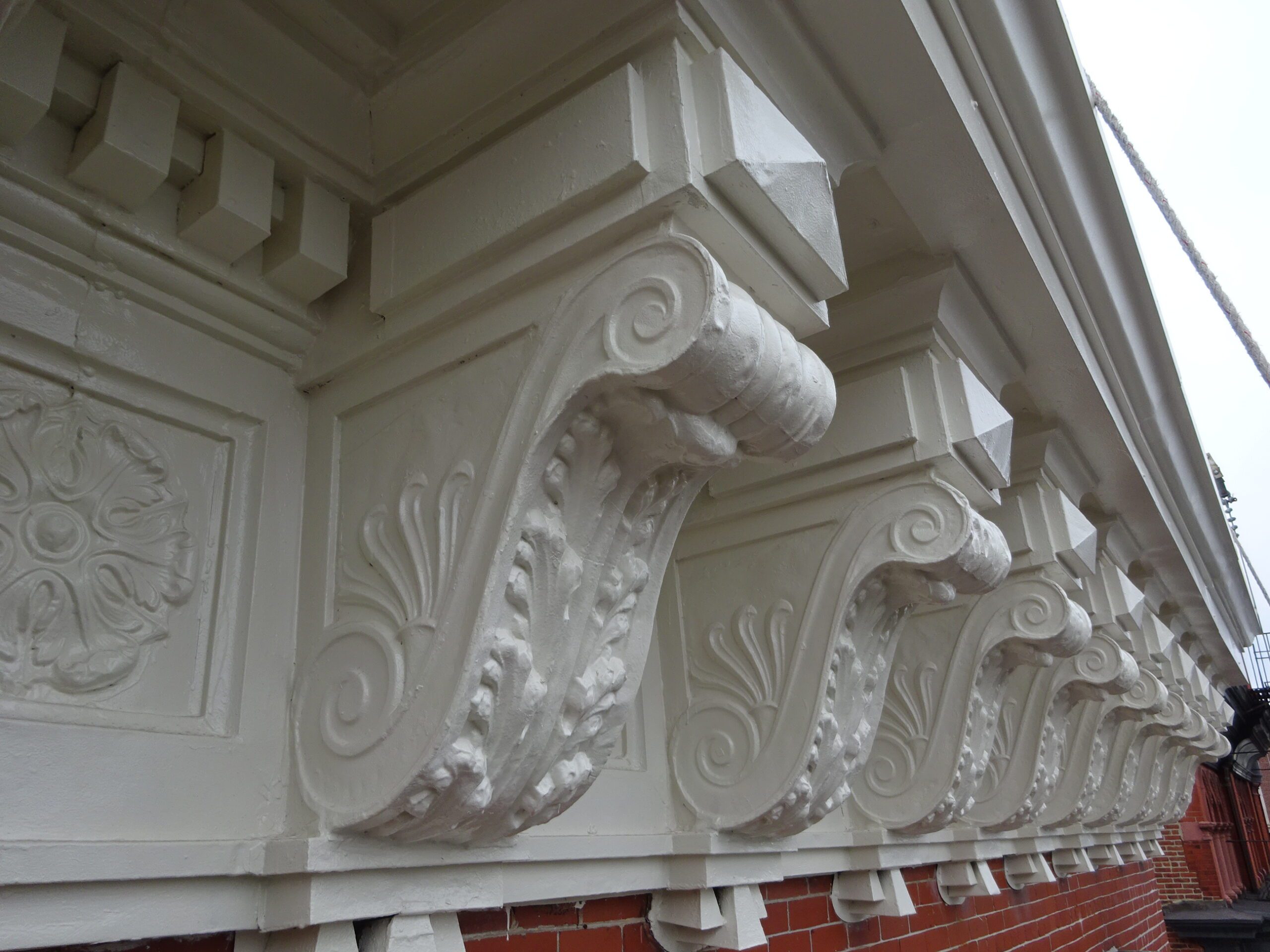
Facade inspections are essential for protecting public safety and ensuring compliance with New York City’s Façade Inspection Safety Program (FISP, formerly Local Law 11) and Local Law 126 for parking structures. These inspections verify structural integrity, identify potential hazards, and establish the maintenance and remediation requirements needed to keep buildings safe and code-compliant.
Milrose supports building owners and managers by coordinating every step of the inspection and reporting process. Our consultants manage scheduling, documentation, and filings, working closely with licensed engineers, DOB officials, and other agencies. We ensure all reports, remediation plans, and follow-ups are accurate, complete and submitted on time.
Availability:
- Existing building
- NY, NJ, CT, FL, MA, PA, DC, CA


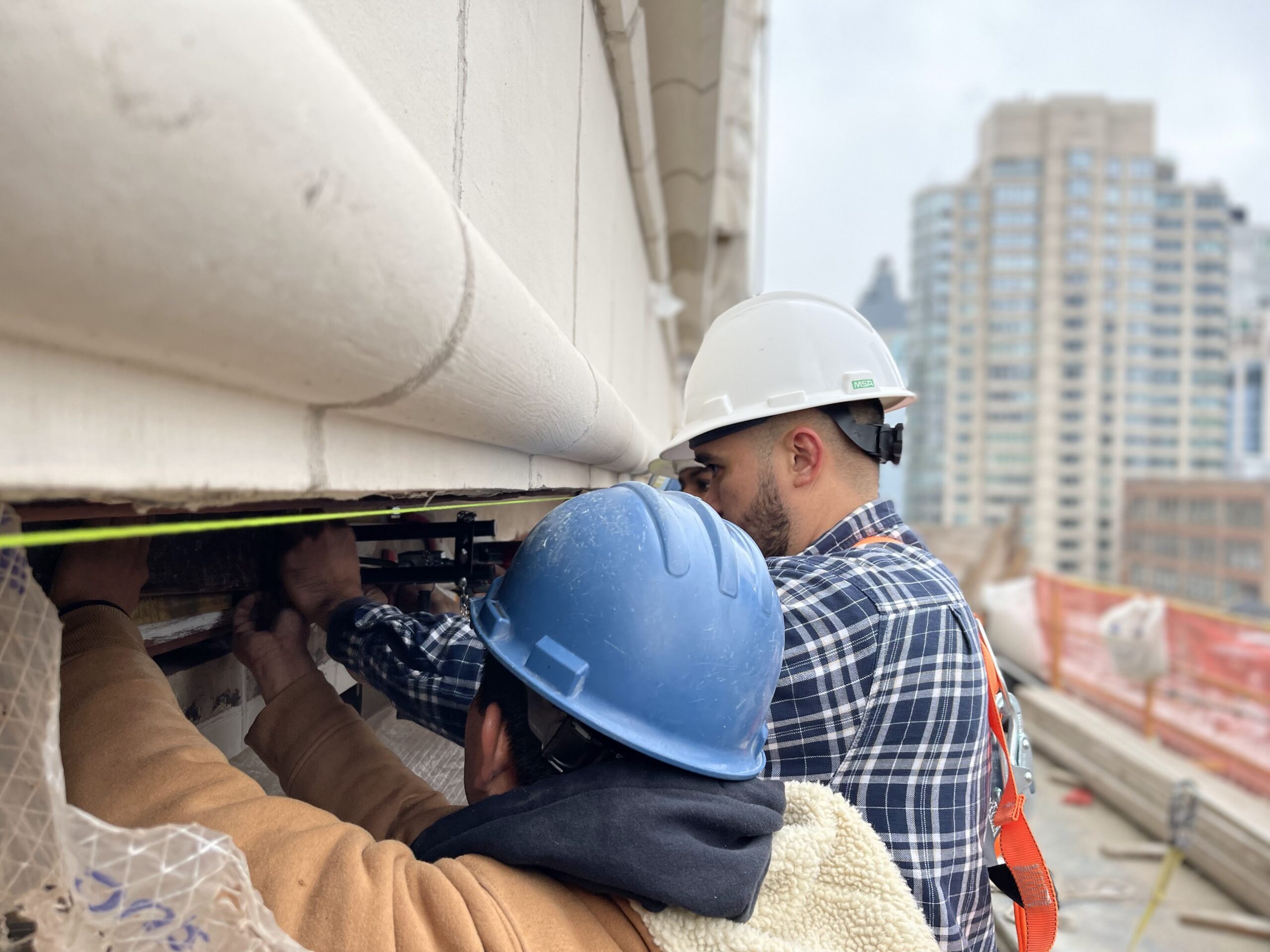
FISP Compliance for Your Building
Proactive oversight prevents compliance lapses, reduces risk of fines and safeguards occupants. By maintaining disciplined coordination across inspection cycles, Milrose helps buildings stay structurally sound and operations uninterrupted.
Inspection Services
- Review of Previous Cycle Report and Conditions
- Visual and Close-Up Inspections
- Drop Inspection Bidding and Coordination
- Fire Escape and Railing Inspections
- Scope of Work Preparation
- Preparation of Façade Inspection Safety Program Report
- Filing of Façade Inspection Safety Program Report
- Amended and Subsequent Report Preparation and Filing
- Extension of Time Filings
- Administration of Repairs
- Review of Previous Cycle Report and Conditions
- Visual and Close-Up Inspections
- Drop Inspection Bidding and Coordination
We Leverage Our Technical Expertise to Provide Quality Assurance and Code Compliance
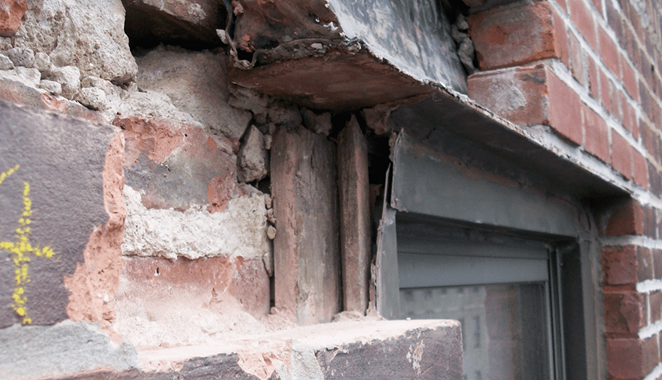
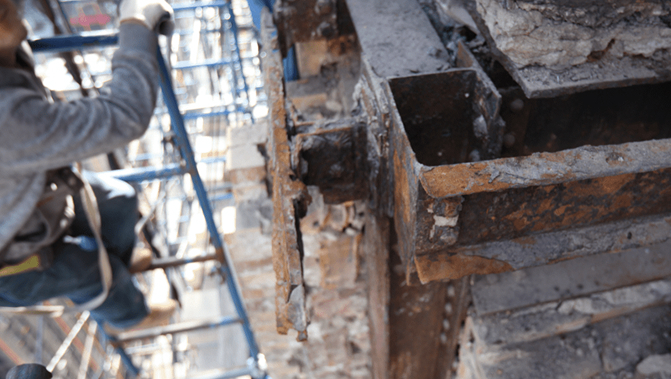
Still have questions about Facade inspections?
What is a façade inspection in NYC?
A façade inspection is a required review of a building’s exterior to verify structural condition, identify hazards, and determine needed repairs. Milrose coordinates the full inspection and reporting process so owners stay compliant and buildings remain safe.
What is NYC FISP (Local Law 11) and who has to comply?
NYC’s Façade Inspection Safety Program (FISP, formerly Local Law 11) requires periodic façade inspections and filings for many buildings. Milrose manages scheduling, documentation, and DOB coordination with licensed engineers to keep filings accurate and on time.
What happens if a façade inspection finds unsafe conditions?
Unsafe findings can require repairs, ongoing monitoring, and follow-up filings, and missed actions can lead to fines or enforcement. Milrose coordinates remediation planning, documentation, and deadlines so required work is addressed and compliance stays on track.
How do I stay compliant with façade inspection deadlines?
Staying compliant requires managing the full cycle: scheduling the inspection, completing reports, filing on time, and tracking required repairs and follow-ups. Milrose provides disciplined oversight across the entire process to reduce risk, avoid fines, and keep operations uninterrupted.
How can Milrose help with façade inspections and FISP compliance?
Milrose coordinates façade and parking structure inspections, manages FISP and Local Law 126 filings, and tracks deadlines, repairs, and follow-ups. We work with licensed engineers and agencies to keep reports accurate, submissions on time, and properties compliant and safe.
When do new buildings have to file under FISP?
Once a new building receives its first Temporary Certificate of Occupancy, a five year grace period begins. After that, the building must file during its next applicable FISP cycle. Milrose helps owners track filing windows so new properties stay compliant from the start.
Who files the FISP report and how is the building classified?
FISP reports must be filed every five years by a Qualified Exterior Wall Inspector, a registered architect or professional engineer approved by DOB. The building is classified as Safe, Safe With Repair and Maintenance Program (SWARMP), or Unsafe, each with specific repair and follow up obligations. Milrose coordinates with QEWIs to document conditions accurately and plan next steps.
What is the difference between an amended report and a subsequent report?
An amended report updates a previously Unsafe report to SWARMP or Safe once repairs are complete. A subsequent report updates a prior SWARMP report to Safe and can only be filed during the current cycle. Milrose helps determine which filing is appropriate and manages the submission process with DOB.





![Milrose Logo Update [PNG]-BG Horizontal-3-1 1](https://www.milrose.com/wp-content/uploads/elementor/thumbs/Milrose-Logo-Update-PNG-BG-Horizontal-3-1-1-rnazw41mc5p1p70fn0xwia94cuue73ygixh4neqnj4.png "Milrose Logo Update [PNG]-BG Horizontal-3-1 1")